03 — Photos & Media
See the work
Replace placeholders with your project photos
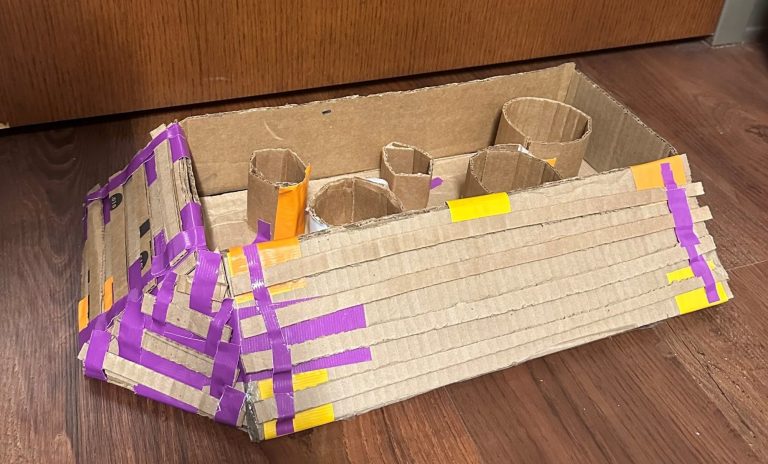
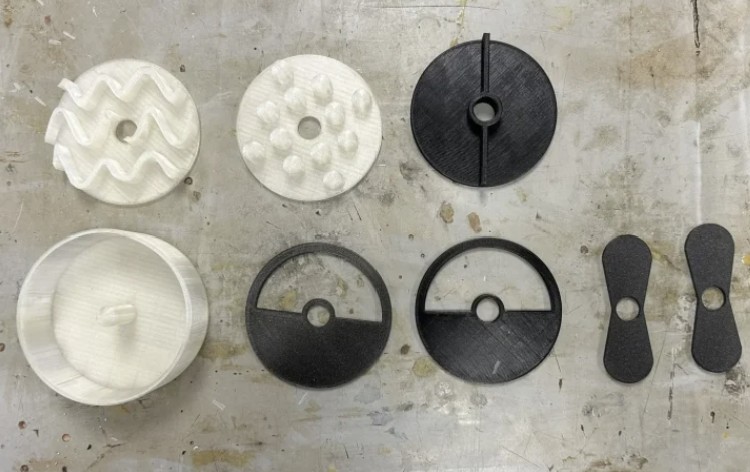
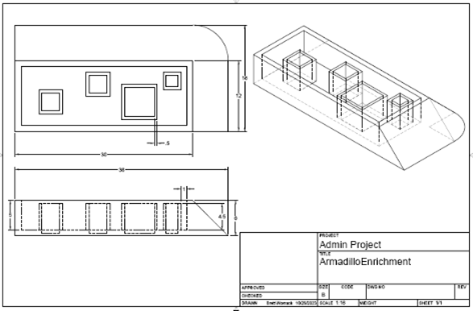
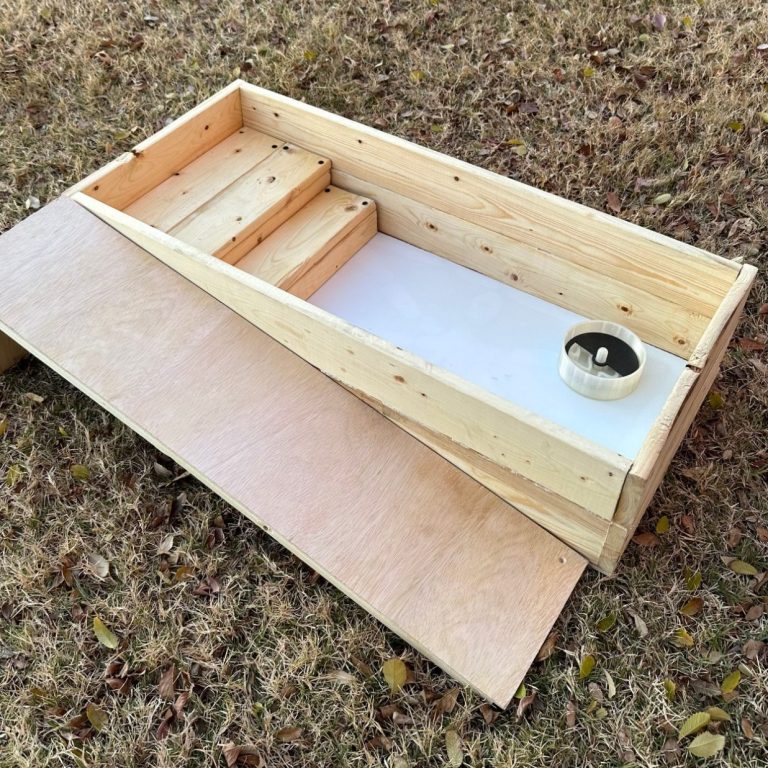
An enrichment device designed for an armadillo at the Oklahoma City Zoo — applying the full engineering design process from user research to prototype.
Design an enrichment device for an armadillo at the Oklahoma City Zoo that encourages natural foraging and exploratory behavior.
Apply the full engineering design process: research, ideate, prototype, test, and iterate based on feedback from engineers and zoo keepers.
Present the final solution to a faculty panel and zoo staff and defend design decisions with evidence.
Replace placeholders with your project photos
Researched armadillo natural behavior — foraging, burrowing, olfactory-driven exploration — to establish design criteria grounded in the animal's real needs rather than assumptions.
Generated 15+ concepts as a team using rapid sketching and structured brainstorming. Voted on top 3 for prototype development based on feasibility, engagement potential, and buildability.
Built a cardboard puzzle feeder with hidden food compartments. Zoo staff feedback: engagement was low — compartments too easy to open, no foraging behavior triggered.
Redesigned with tighter compartment geometry, added texture panels to encourage digging behavior, and repositioned food locations based on zoo staff guidance.
Presented the final design to a faculty panel and zoo staff, walking through the research, iteration decisions, and test observations. Fielded questions on material safety and maintenance.
Encouraged exploratory behavior — zoo staff observed the armadillo engaging with the final prototype during evaluation.
All functional requirements met as defined in the project brief — food delivery, durability, safe materials, and ease of reloading.
Positive presentation feedback — panel cited research depth and clear documentation of iteration decisions as strengths.
Introduced the full design cycle — research, ideation, prototyping, testing, and presentation — a foundation applied in every subsequent engineering course.