03 — Photos & Media
See the work
 -->
-->
 -->
-->
 -->
-->
Structural design and optimization of a cost-efficient truss — computational analysis of load distribution, member length effects, and prototype validation under constrained testing.
Design a cost‑efficient truss capable of achieving the highest possible load‑to‑cost ratio while meeting strict geometric and performance constraints.
Use a custom MATLAB analysis program to evaluate multiple truss configurations, predict internal forces, and select a design that balances rigidity, buckling resistance, and material efficiency.
Apply real structural engineering principles — including statics and buckling theory — to reduce bending, improve load distribution, and produce a reliable, test‑ready truss optimized for real‑world performance.
-->
-->
-->
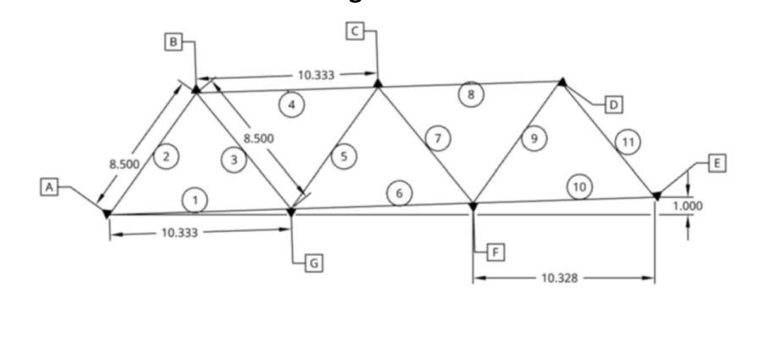
Explored multiple truss geometries and joint layouts, comparing cost, rigidity, and predicted load paths. Selected a medium‑member‑length configuration that balanced manufacturability, buckling resistance, and overall efficiency.
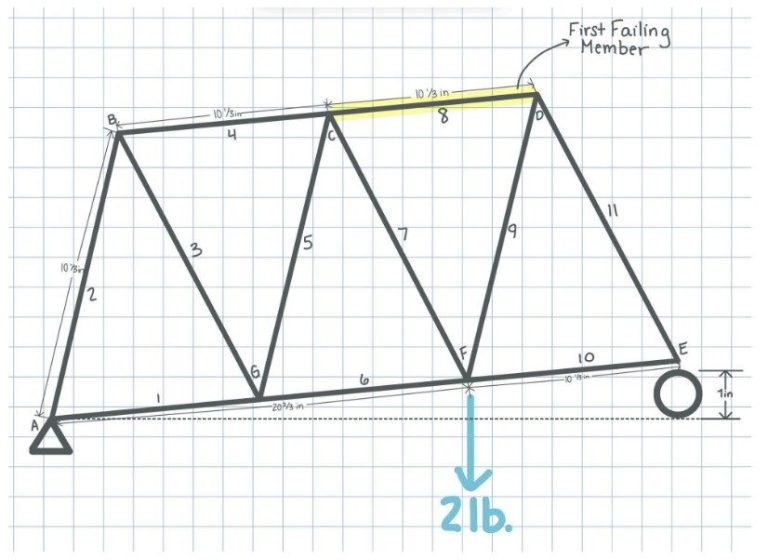
Performed full hand calculations using statics and buckling theory to determine internal forces, identify tension/compression members, and predict the critical failure point. Calculated uncertainty ranges to guide safe design margins.
Used a custom MATLAB analysis program to simulate multiple truss configurations, evaluate cost vs. performance, and refine member lengths and joint positions. Integrated analytical results directly into the optimization process.
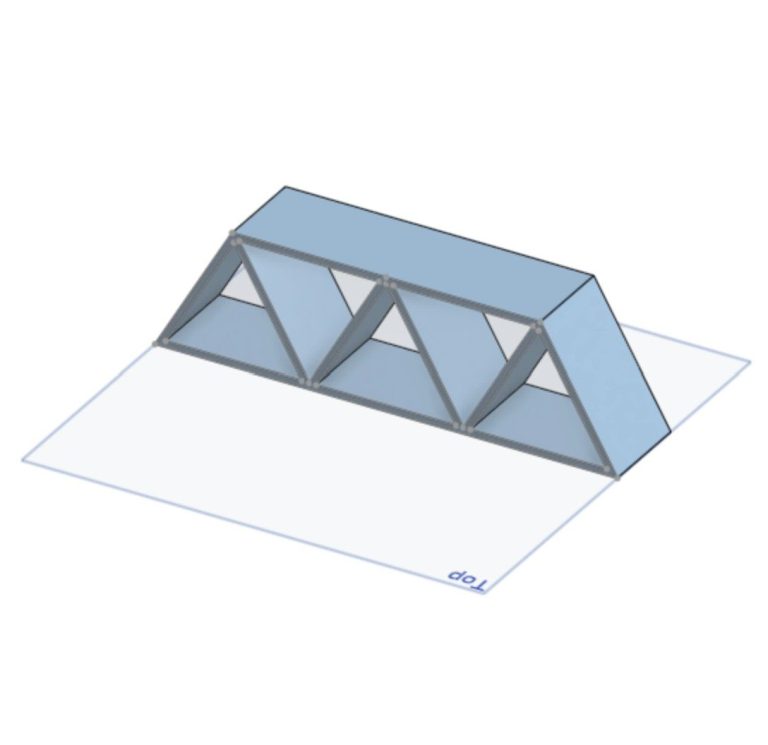
Built the complete truss model in SolidWorks based on analytical and MATLAB outputs. Checked geometry, joint alignment, and member lengths before construction to ensure the design met all constraints.
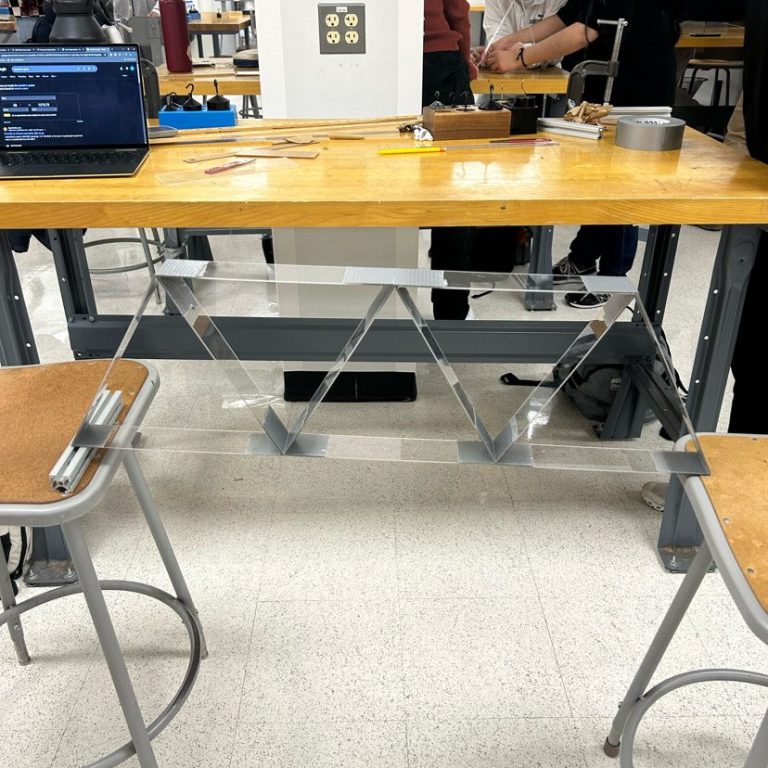
Cut, prepared, and assembled the truss with precision to match analytical assumptions. Verified joint integrity, alignment, and structural stability, ensuring the physical build reflected the optimized design.
Achieved a 45.24‑ounce load capacity with a total cost of $183.67, resulting in a strong 0.1742 oz/USD load‑to‑cost ratio — meeting the project goal of maximizing performance per dollar.
Analytical predictions aligned with real‑world behavior: member 8 was correctly identified as the critical failure point, with buckling beginning near the predicted 34.8 oz ± 1.35 oz.
Construction quality validated the analysis — precise assembly reduced bending, improved load distribution, and ensured the truss behaved as modeled.
Demonstrated the effectiveness of a fully data‑driven structural design workflow — from hand calculations and MATLAB simulations through CAD modeling and physical build — resulting in an optimized, test‑ready truss.