ENG EK 210 · Principles of Engineering Design · Fall 2025

SOAP.DISPENSER

Automatic touchless soap dispenser using IR laser break sensing and a linear actuator — designed for EPIC, our Engineering lab at Boston University.

ArduinoIR Sensor3D PrintingSolderingSolidWorksOnShapeTinkerCadArduinoIR Sensor3D PrintingSolderingSolidWorksOnShapeTinkerCadArduinoIR Sensor3D PrintingSolderingSolidWorksOnShapeTinkerCadArduinoIR Sensor3D PrintingSolderingSolidWorksOnShapeTinkerCad
Course
ENG EK 210
Period
Sep – Dec 2025
My Role
IR Sensor Team Lead
Tools Used
ArduinoSolidWorksOnShapeTinkerCad3D PrintingSolderingIR Laser Sensor
01 — Goals

What we set out to do

01

Design an automatic soap dispenser for EPIC that delivers a controlled volume with no contact points to enhance hygiene and user convenience.

02

Develop a modular, sensor-driven system integrating an IR laser break sensor with a linear actuator for reliable, touchless dispensing.

03

Optimize for reliability, cost efficiency, and ease of maintenance to support large-scale implementation across the facility.

02 — My Contribution

What I did

IR Sensor Team Lead
Sensor Design & Integration

IR Sensor Team Lead

  • Responsible for all coding, wiring, and physical implementation of the IR laser break sensor system.
  • Designed the sensor logic in Arduino C — including debounce, trigger threshold, and actuator timing.
  • Debugged and iterated on sensor placement to reduce false triggers and improve detection reliability.
3D Design
Housing & Enclosure

3D Design

  • Assisted in 3D modeling the housing for the dispenser product in SolidWorks and OnShape.
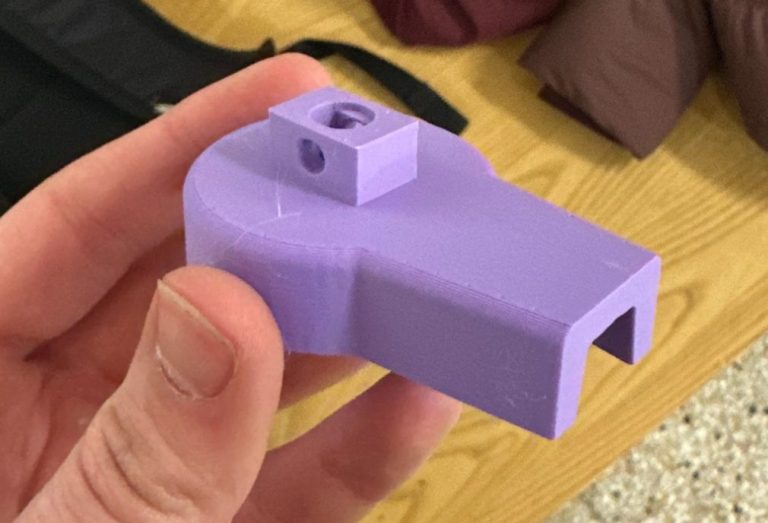
  • Designed and 3D printed the soap pump cover to protect the linear actuator interface.
  • Measured GOJO bottle dimensions to ensure proper fit and alignment of the actuator contact point.
05 — Design Process

How we got there

01

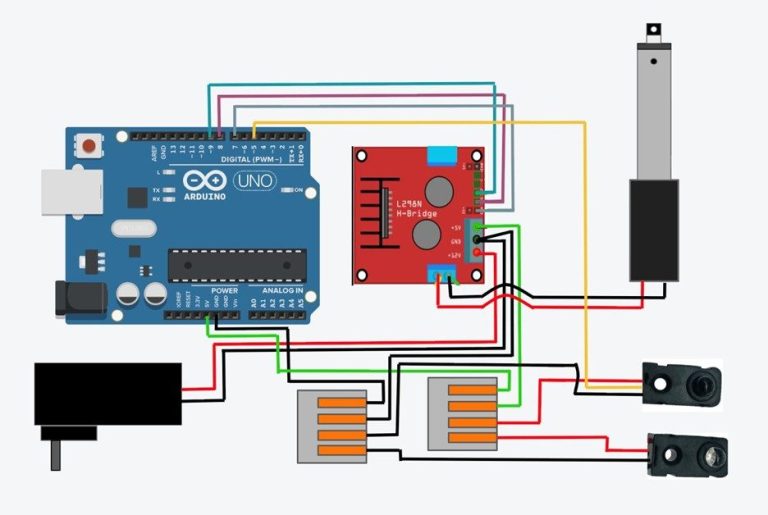
Wiring Diagram in TinkerCad

Modeled the full wiring setup in TinkerCad before any physical assembly. This caught potential short circuits and helped communicate the design to teammates.

02

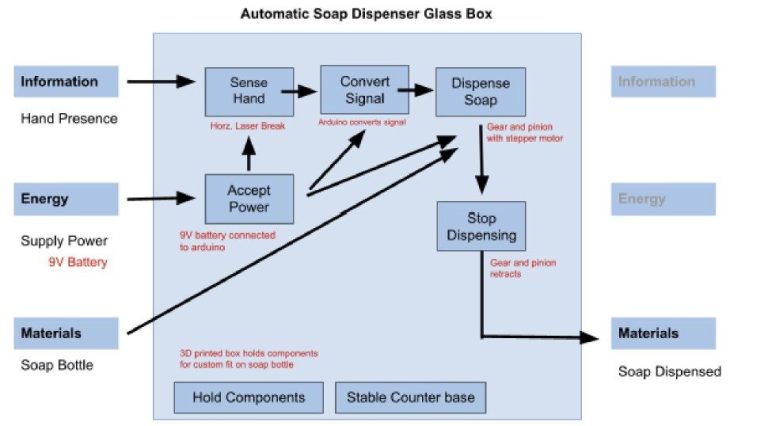
Glass Box & Code Flowchart

Created a glass box diagram and code flow chart to fully map system logic before writing a single line of code or building a prototype.

03

Dimension Survey of GOJO Bottle

Precisely measured the GOJO soap bottle dimensions with calipers to inform housing design and ensure correct actuator travel distance.

04

Prototype Build & Test

Built first working prototype, identified flaws — actuator contact, sensor positioning, weight distribution — and iterated on each issue systematically.

05

Final Integration

Assembled all subsystems, ran repeated dispensing trials, verified consistent operation, and documented results for the final report.

🧴
06 — Results

What we achieved

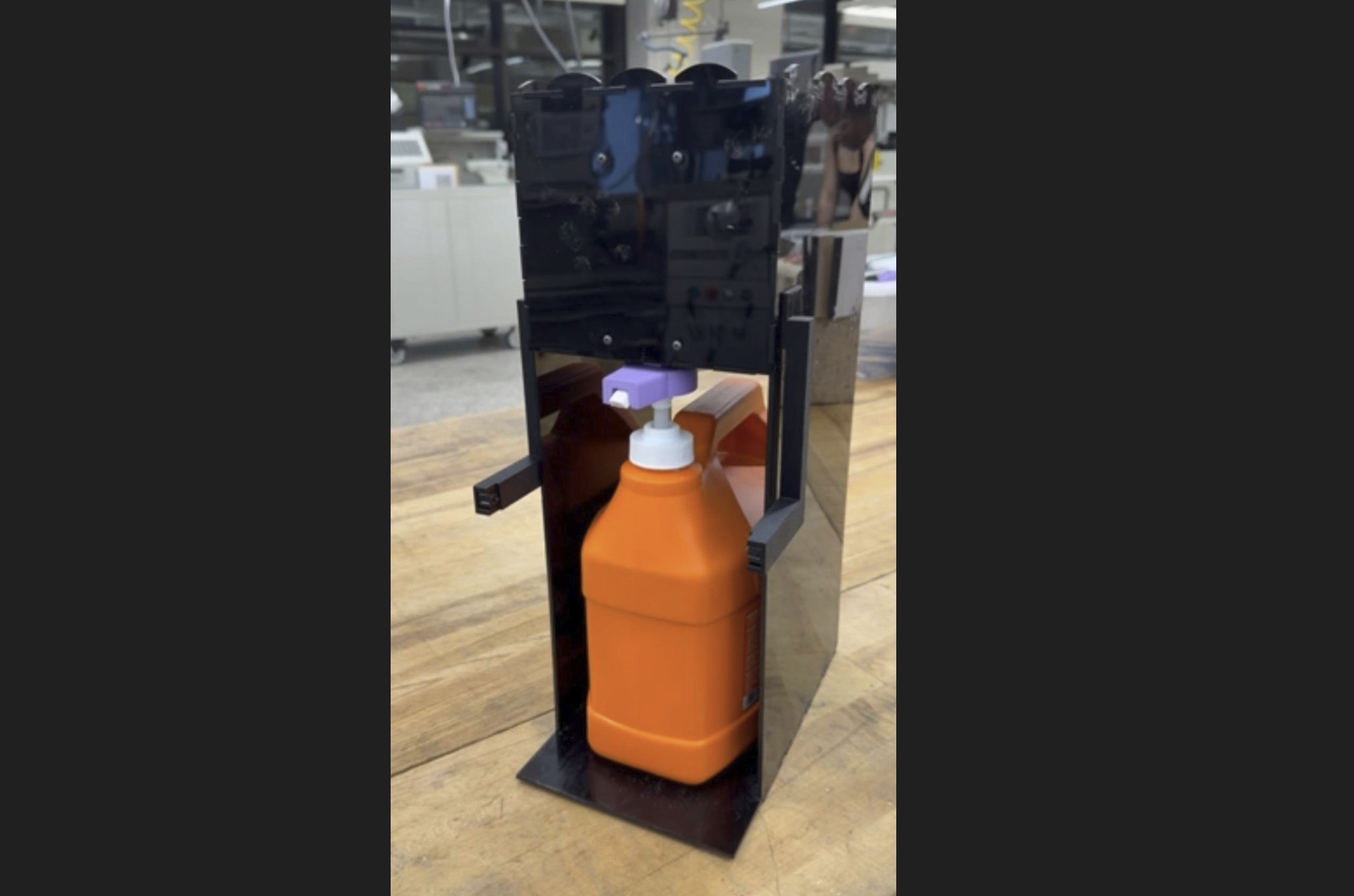
Successfully built an automatic GOJO soap dispenser that consistently detected hand presence and dispensed soap with reliable timing.

🔁

Stable across repeated trials — no mechanical jams or false triggers during testing, confirming robust sensor placement and actuator tuning.

⚠️

Identified actuator weakening after many cycles as a key improvement area for a production version of the design.

🔮

Clear path to improvement — enclosure compactness, sensor calibration, and actuator durability identified as next iteration priorities.

Next project →
Temperature Sensing Box