ARMADILLO DIG BOX PROJECT
Goals
- Design an enrichment activity for the three-banded armadillo at the OKC Zoo to promote natural behaviors and improve animal well-being while enhancing visitor engagement.
- Develop a hands-off enrichment system requiring minimal keeper interaction beyond setup.
- Incorporate a modular dig box that encourages object manipulation and foraging behaviors, simulating natural feeding conditions observed in the wild.
Role
- Head of Puzzle Feeder Design and Printing.
- Co-Head in Project Manufacturing
Timeline
September 2024 - December 2024
Tools
- Solidworks
- PursaSlicer
- Milling Tools
- 3D Printing
Results
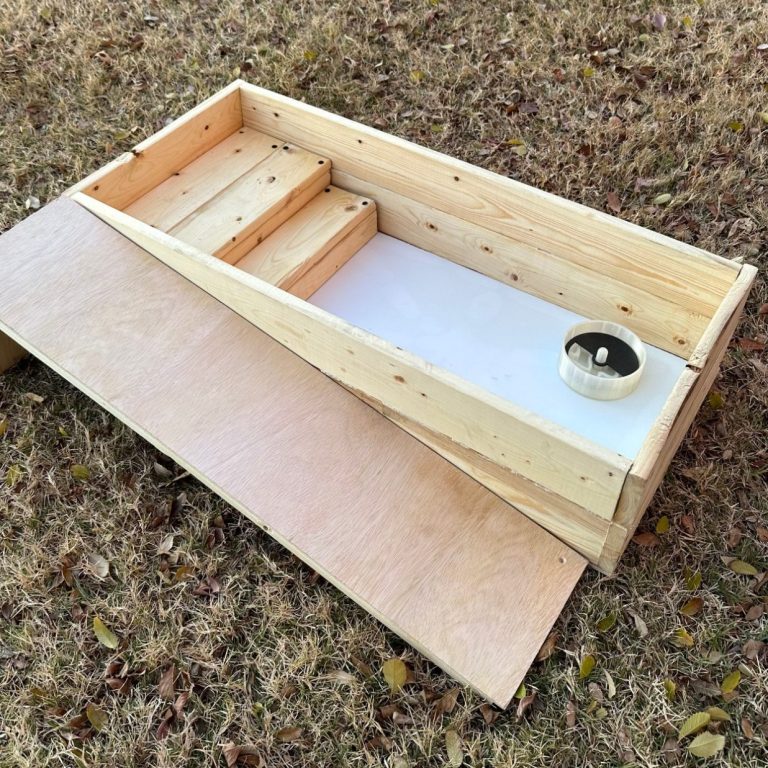
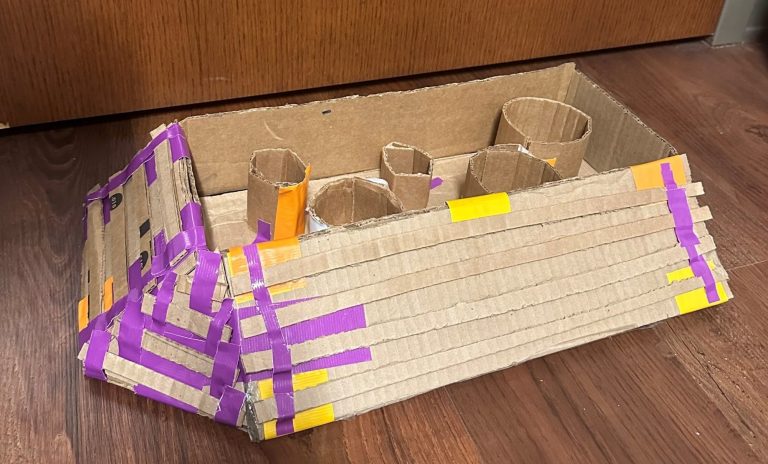
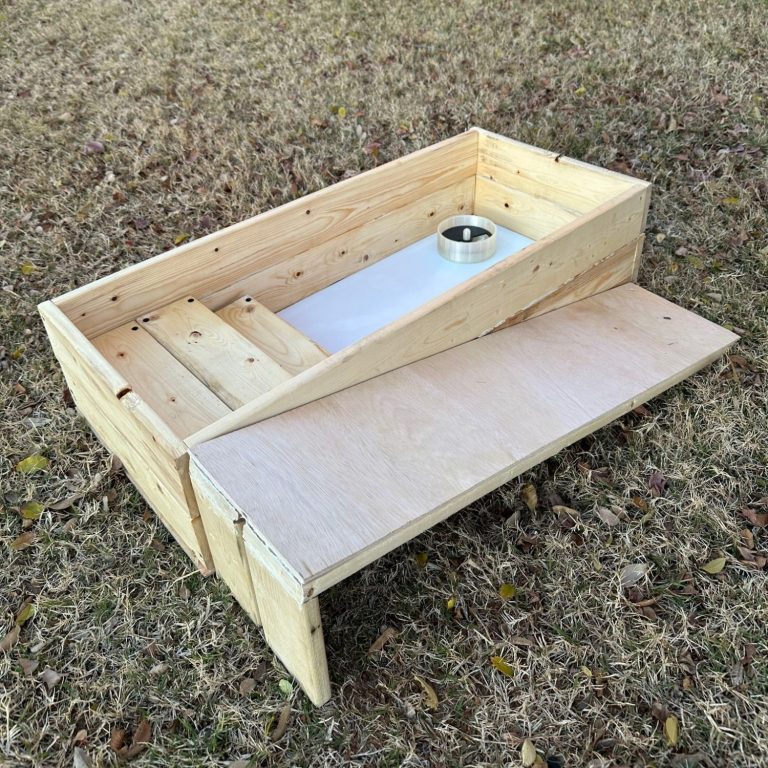
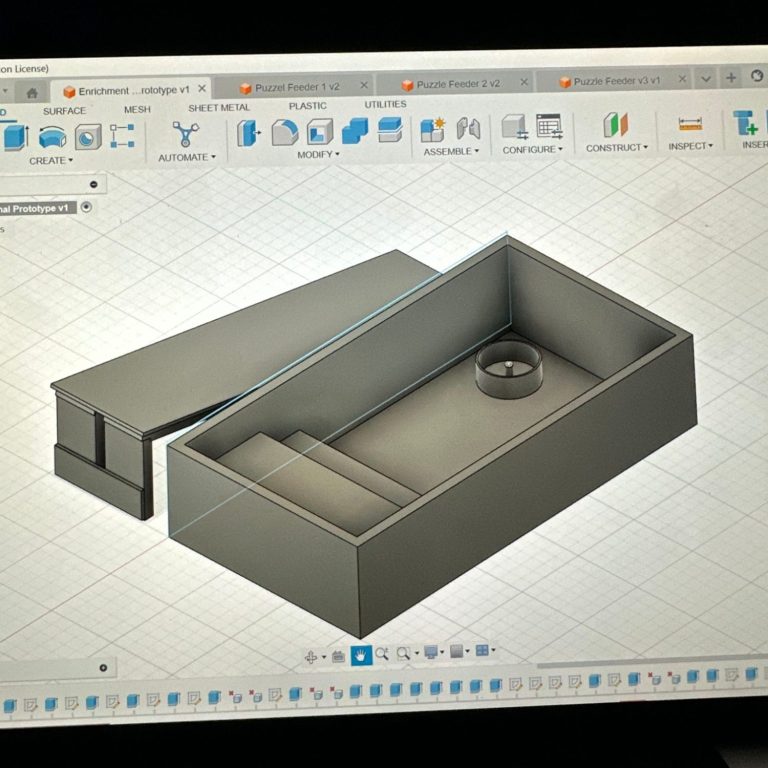
- Developed and prototyped an interactive dig box enrichment system for the three-banded armadillo, designed to stimulate natural foraging and digging behaviors while blending seamlessly into the zoo enclosure environment.
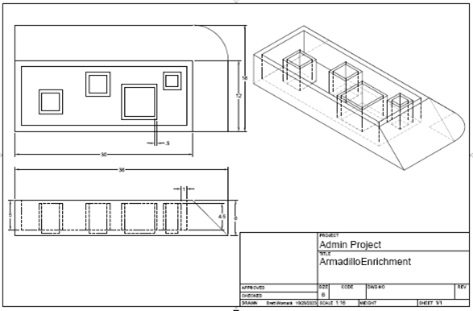
- Engineered a durable, low-cost structure meeting all spatial and safety constraints, including a budget under $50, height under 3 ft, and full reusability for long-term enrichment use.
- Integrated modular compartments containing insects as rewards, promoting sensory engagement and problem-solving behaviors aligned with the armadillo’s natural instincts.
- Refined design through testing, adding ramp ridges to improve accessibility and ensure smooth interaction, resulting in enhanced usability and enrichment effectiveness.
Design Process
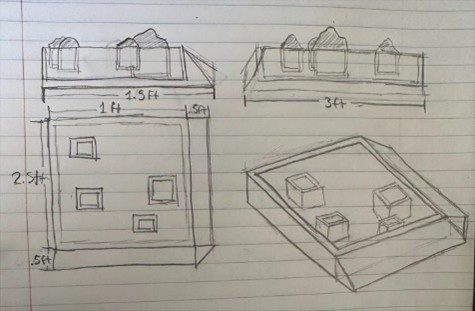
- Developed an armadillo enrichment prototype that satisfied both behavioral and physical design constraints while remaining budget-conscious and environmentally integrated.
- Focused on encouraging natural digging and scavenging behaviors through a simple, durable structure designed to blend seamlessly into the enclosure environment.
- Guided by defined parameters — including a $50 budget, height restriction of 3 ft, and space limit of 50% of the enclosure — the design emphasized safety, reusability, and low maintenance.
- Prototyped and refined concepts using rapid material testing and iterative evaluation against durability, enrichment level, transportability, and setup time criteria.
- Validated the design through full-scale simulations of transport and setup, ensuring practicality for zookeepers and positive engagement from the armadillo.
3D Modeling & Printing
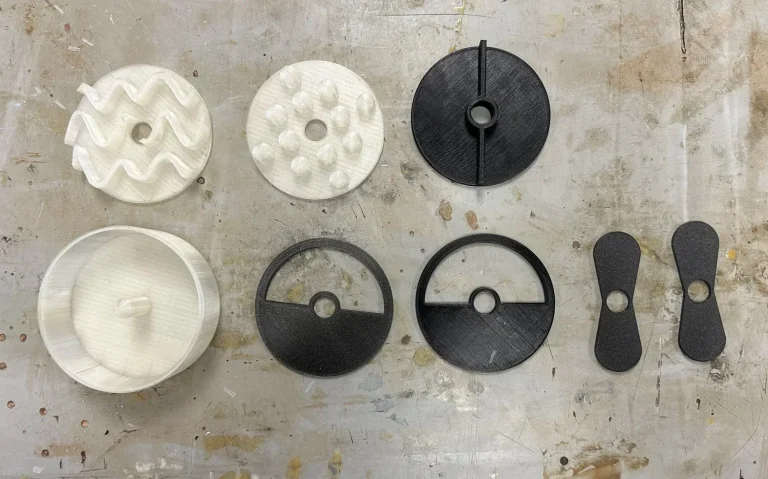
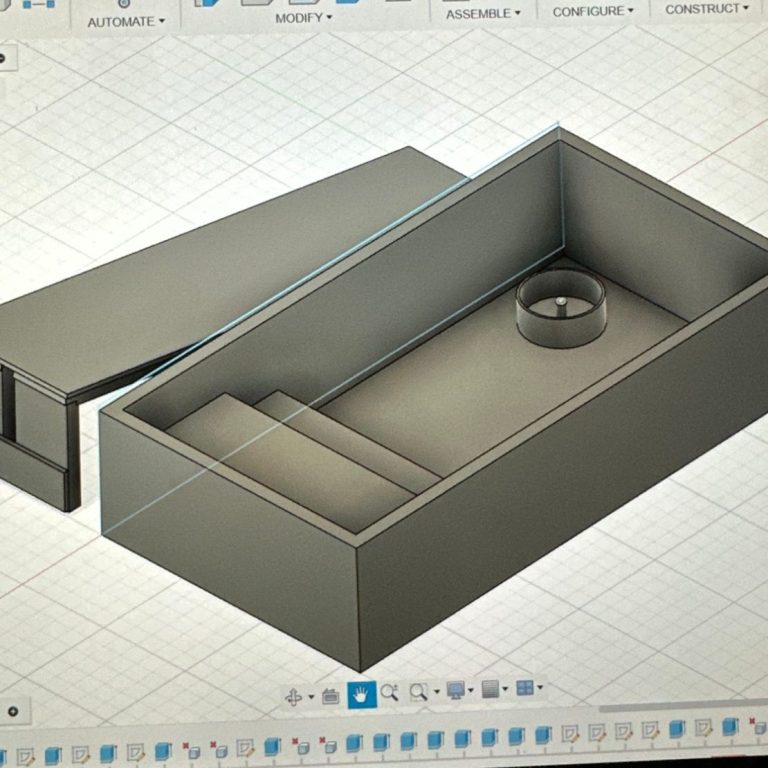
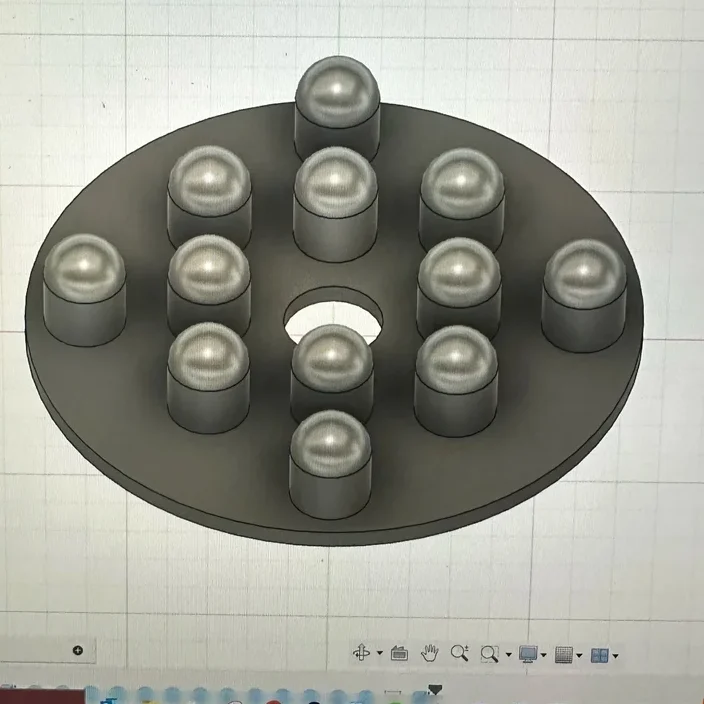
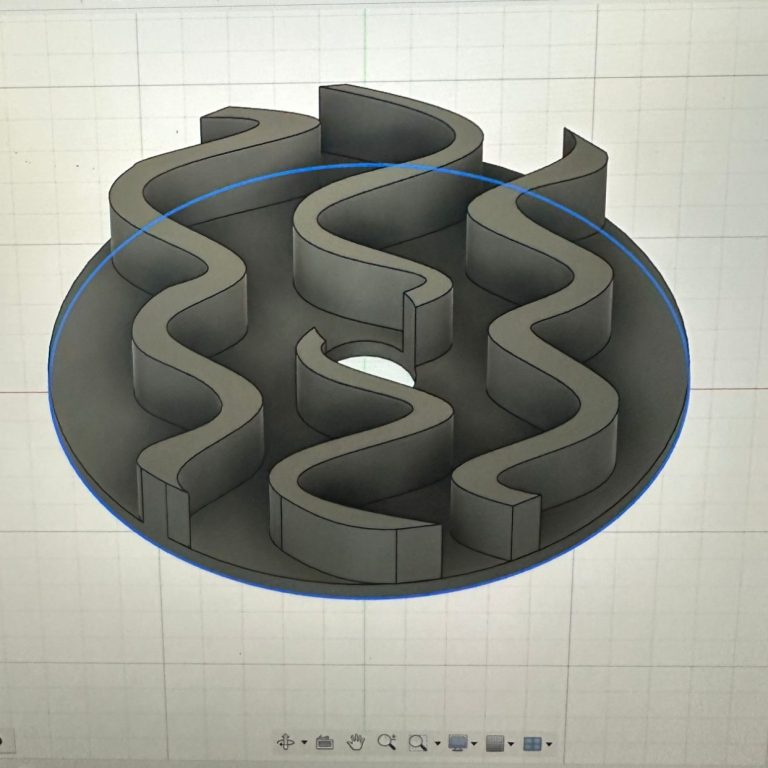
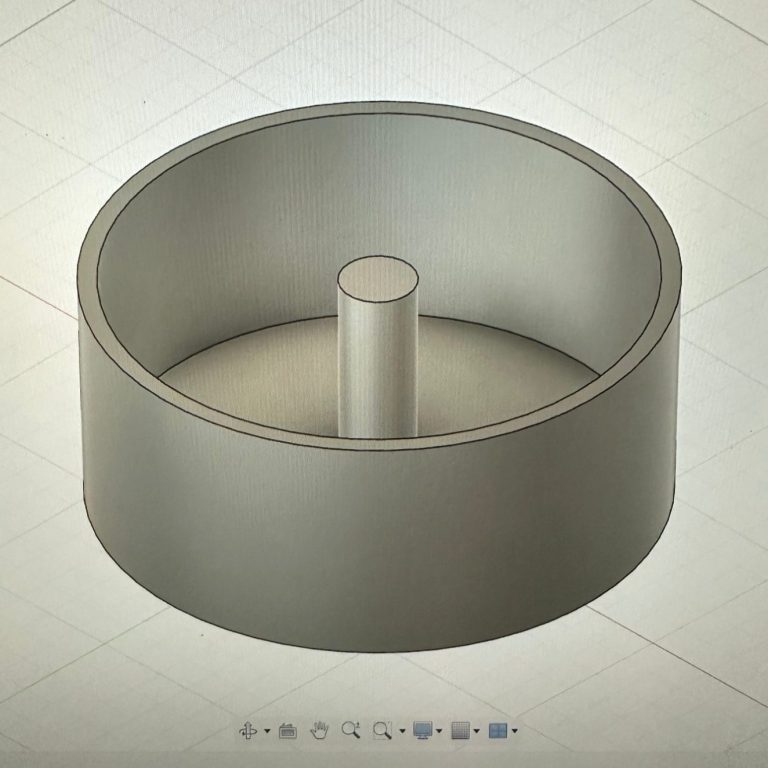
- Used Solidworks to model out feeder based of dimesions of dig box and similar feeders online.
- Imported 3mf files into PrusaSlicer to setup for 3D printing and export gcode file.
- After printing, tested durability and dimensions before installing in dig box with total of 6 modular pieces and 1 base.
Results
- Achieved a lightweight, reusable enrichment structure that successfully promoted natural foraging and digging behaviors while maintaining compliance with all spatial and safety constraints.
- Demonstrated transportability by having each team member carry the prototype the equivalent distance to the zoo enclosure.
- Completed setup trials under 10 minutes, validating the design’s efficiency and meeting the ease-of-setup criteria.
- Delivered a cost-effective and durable solution that balanced animal enrichment, functionality, and simplicity, aligning with real-world zoo application standards.